A Beginner’s Guide to Authentic Drunken Noodles
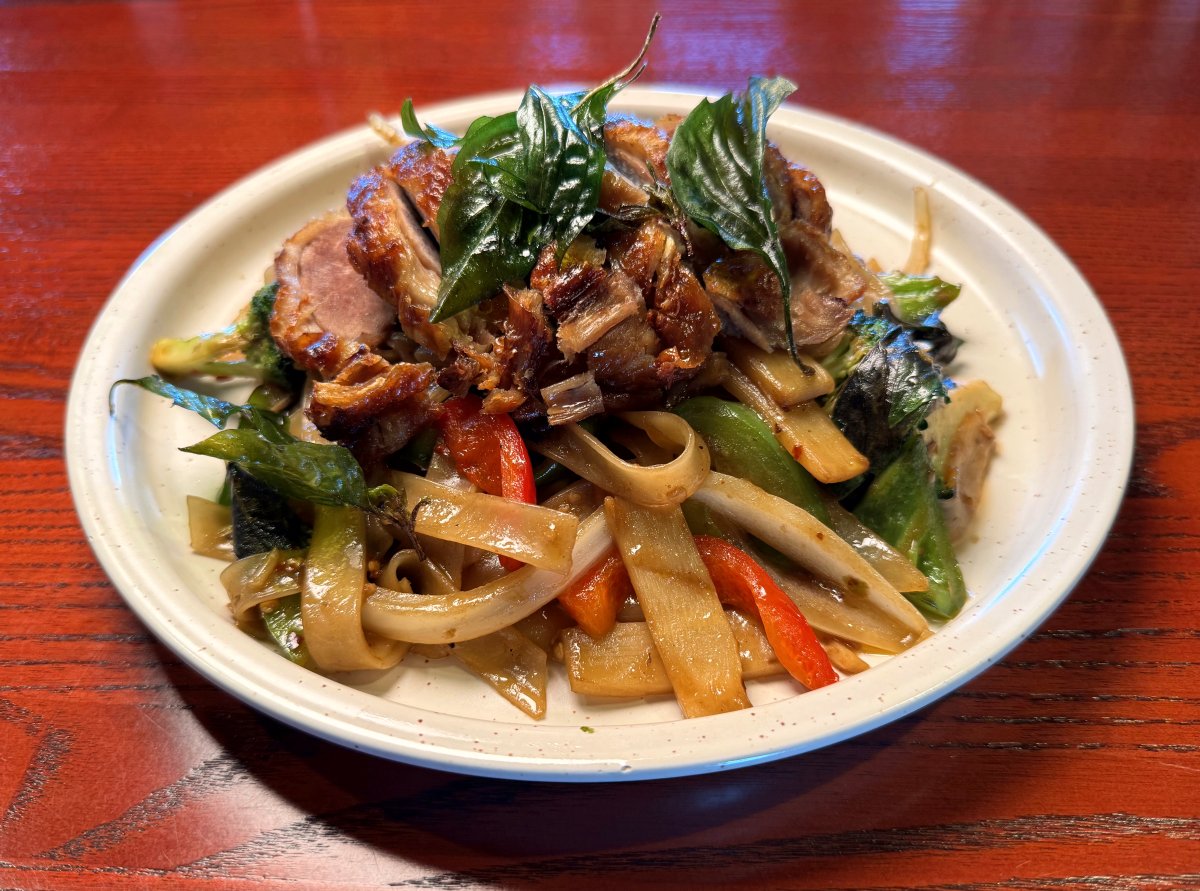

Few Thai dishes create instant craving the way Drunken Noodles do. The aroma hits first, sweet basil rising through steam, then garlic, fresh chili, and the deep savory edge of soy-based sauce catching on hot noodles. A good plate lands with force. It is glossy, spicy, faintly smoky, and unapologetically bold. For many home cooks, though, the first attempt falls flat. The noodles break, the sauce tastes muddy, the vegetables go limp, or https://erickhmny329.almoheet-travel.com/how-to-make-perfectly-chewy-drunken-noodles the whole pan turns into a sticky mass before the basil even goes in.
That is not because the dish is mysterious. It is because Drunken Noodles reward technique more than complexity. Once you understand what the dish is meant to be, and what each ingredient contributes, it becomes much easier to cook with confidence.
The name can mislead beginners. Some assume the dish contains alcohol. Others think it is something to eat only after a night out. In practice, what matters more is its Thai identity: wide rice noodles stir-fried over high heat with a strong, balanced sauce, plenty of aromatics, and holy basil if you can get it. The result should taste lively, not heavy. It should feel like street food in the best sense, fast, hot, fragrant, and direct.
What makes authentic Drunken Noodles authentic
Authenticity in cooking often gets flattened into a shopping list, but that misses the point. Real Drunken Noodles are not authentic only because they contain certain ingredients. They are authentic because they express a style of cooking. The noodles are meant to be stir-fried quickly at high heat. The sauce is assertive but not cloying. The basil is not a garnish tossed in for color. It is one of the defining flavors. The chilies should be noticeable. The vegetables should retain some shape and bite. The noodles should be soft and chewy, not mushy.
In Thailand, this dish is commonly known as pad kee mao. The phrase is often translated as “drunken stir-fry” or “drunkard’s noodles,” though stories about the name vary. Some people say it is the perfect late-night meal. Others say the spice level could wake up someone who had been drinking. There is no single tidy origin story that every cook agrees on, and that uncertainty is part of the charm. What is consistent is the dish itself: broad rice noodles, heat, basil, and a stir-fry rhythm that leaves no room for hesitation.
A lot of restaurant versions outside Thailand drift toward sweetness or excess oil. They may also rely too heavily on generic brown sauce. That does not make them bad, but it does move them away from the bright, sharp, peppery profile that makes the dish memorable. If you want authentic Drunken Noodles at home, think less about copying takeout and more about building contrast, salty against sweet, chili against basil, chewy noodles against crisp vegetables, sauce against char.
The noodles matter more than most people think
The best Drunken Noodles use fresh wide rice noodles, sometimes sold as sen yai. These are broad, soft sheets or strips with a supple chew that holds up well in a hot wok. If you have access to a Thai market, start there. Fresh noodles are usually in the refrigerated section, though some shops keep them at room temperature for part of the day. If the noodles are stuck together in a compressed block, do not panic. That is normal. They often loosen once gently warmed or teased apart by hand.
Dried wide rice noodles can work, but they require more care. Most packages give soaking or boiling directions that are fine for noodle soup and less helpful for stir-frying. If you cook them until fully tender before they hit the pan, they are likely to tear and clump. I have had much better results taking them just shy of done, then finishing them in the wok where they absorb sauce and soften the last bit in the heat.
Fresh noodles, however, come with their own trap. Cold noodles straight from the refrigerator often split when you pull them apart. A brief warm-up helps. Some cooks microwave them for a few seconds under a damp towel. Others leave them out until they relax. Either way, the goal is flexibility, not heat. Once they loosen, separate them gently. If you attack them like spaghetti, you will end up with fragments.
Texture is one of the defining pleasures of Drunken Noodles, so this is not a minor detail. The noodles should fold and stretch. They should feel substantial, not slippery in the way thin noodles can. If you get the noodle texture right, even a simple version tastes convincing.
The basil question, and why it is worth caring about
If there is one ingredient beginners try to swap too casually, it is the basil. Thai holy basil is the classic choice. It has a peppery, clove-like character that stands up to heat and savory sauce. Thai basil, the one with purple stems and a firmer leaf, is easier to find and still produces a good dish. Italian basil is the least ideal, though in a pinch it can add freshness if used carefully.
The difference is not academic. Holy basil gives Drunken Noodles a distinct high note, one that cuts through the sauce and keeps the dish from tasting one-dimensional. Thai basil brings anise and sweetness. Italian basil turns softer and more floral. I have cooked all three versions in home kitchens and taught beginners through them, and the pattern is always the same. When holy basil is available, the dish tastes immediately more grounded and more recognizably Thai.
Still, this is where judgment matters. It is better to make the dish with Thai basil than to avoid making it at all. If that is your substitution, adjust your expectations rather than pretending nothing changed. Keep the amount generous, add it at the end, and let the sauce stay punchy enough to support it.
The sauce is short, but it needs balance
One reason this dish is so approachable is that the sauce is not especially complicated. What it needs is balance and restraint. You are building salt, sweetness, depth, and a little caramelized edge. Depending on the cook, the sauce may include light soy sauce, dark soy sauce, oyster sauce, fish sauce, and a small amount of sugar. Some versions use a touch of white pepper. A few lean on seasoning sauce, which is common in Thai cooking.
What matters is how these pieces behave together. Light soy brings salt. Dark soy adds color and a hint of roundness. Oyster sauce contributes body and savory sweetness. Fish sauce sharpens the profile and pushes it toward that unmistakable Thai savoriness. Sugar should not announce itself. It is there to smooth the rough corners and help the sauce cling.
The common beginner mistake is overdoing dark soy. The noodles turn uniformly brown, and the dish starts to taste heavy before it ever reaches the table. Another mistake is making the sauce too sweet because the cook is trying to mimic a restaurant version that was designed for a broad audience. A better target is savory first, aromatic second, with sweetness in the background.
A practical home ratio for two servings often lands somewhere around a few tablespoons total of savory liquids plus a teaspoon or so of sugar, but there is no single formula that covers every brand. Fish sauce varies. Oyster sauce varies. Soy sauces vary widely. The safest path is to mix your sauce before you start cooking, taste a drop on a spoon, and ask whether it is bold enough to season plain noodles. If it tastes gentle in the bowl, it will disappear in the wok.
Heat, speed, and the myth of the home wok burner
People often say you cannot make real stir-fry at home because restaurant burners are stronger. It is true that a professional range produces more intense heat than most home stoves. It is also true that many disappointing stir-fries are caused not by weak burners, but by overcrowding and hesitation.
A home cook can make very good Drunken Noodles with an ordinary stove if the pan is properly preheated and the ingredients are staged. That last part matters. Once the garlic hits the oil, you are cooking. There is no comfortable pause to slice a pepper or search for the fish sauce. This dish asks for readiness.
Use the largest, heaviest pan you have if a wok is not available. A carbon steel wok is excellent, but a wide skillet works better than a tiny wok balancing on a weak burner. The pan should be hot enough that the aromatics sizzle immediately. It should not be smoking aggressively for minutes on end, but it should feel urgent. If you hear a faint simmer instead of a sharp sizzle, the pan needs more time.
Moisture is the enemy of stir-fry texture. Wet vegetables cool the pan. Cold noodles lower the temperature. Too much sauce floods the bottom. The result is steaming rather than searing. When people say their Drunken Noodles came out soft and sticky, that is usually what happened.
The vegetables and protein should support, not dominate
This is not a vegetable medley with noodles mixed in at the end. Nor is it a meat dish buried under sauce. The vegetables should contribute contrast and a little sweetness from the heat. Chinese broccoli is excellent if you can find it. Bell peppers are common and useful. Long beans, onion, and baby corn also show up often. The key is to choose vegetables that can handle high heat without collapsing instantly.
Protein is flexible. Chicken is probably the most common for beginners, but pork, shrimp, beef, tofu, or no protein at all can work beautifully. What matters is slicing it appropriately and not loading the pan with too much. A modest amount seasons the dish. Too much turns it into a struggle for heat and space.
When cooking for family, I often advise people to use less protein than they think they need. A plate of Drunken Noodles should still look and feel like noodles. If every bite requires hunting through chunks of meat, the balance is off.
Building the dish in the pan
This is one of those recipes where sequence changes the outcome. You want the aromatics fragrant but not burned, the protein just cooked, the vegetables still lively, and the noodles warmed through and coated without falling apart. It happens quickly, so a little mental rehearsal helps.
Here is a clean order of operations that works well at home:
- Preheat the pan well, then add oil, garlic, and fresh chili until fragrant.
- Add protein and cook until nearly done, then add firm vegetables such as onion or Chinese broccoli stems.
- Add noodles and sauce together, tossing and lifting so the noodles loosen and absorb flavor.
- Finish with basil and any tender vegetables, cooking only until the leaves wilt and the sauce clings.
That order leaves room for variation. If your vegetables are especially wet, you may want to cook them slightly longer before the noodles go in. If your noodles are fragile, add the sauce around the edge of the pan first and toss gently rather than stirring aggressively. The principle stays the same. Build flavor early, manage moisture, and add basil at the end so it perfumes the dish instead of disappearing into it.
One trick I learned after many uneven batches is to let the noodles sit undisturbed for a few seconds before tossing. Not for long, just enough to catch a little heat from the pan. Constant stirring can tear them before they have a chance to sear. Another useful habit is to use two utensils, such as a spatula and tongs, if the noodles are especially wide. That gives you control without crushing them.
Chili, and how spicy it should really be
Drunken Noodles are usually spicy, but “spicy” means different things in different kitchens. Thai bird’s eye chilies are traditional and potent. Even two or three can noticeably change the dish. Six or eight can make it ferocious. The right amount depends on the chilies themselves, your tolerance, and who is eating.
A beginner should not confuse authenticity with bravado. The dish needs enough heat to feel alive, but not so much that the basil, sauce, and noodle texture disappear behind raw fire. If you are unsure, start lower. You can always serve sliced chilies or chili vinegar at the table. You cannot pull spice back out once it is pounded into the pan.
Crushing the chilies with garlic releases more heat than leaving them sliced. That is worth knowing because the same number of chilies can behave very differently based on preparation. A lightly sliced chili gives intermittent flashes of heat. A pounded paste seasons the whole dish more evenly.
Common mistakes that make the dish feel inauthentic
Most failed versions of Drunken Noodles miss in predictable ways. The good news is that these are easy to correct once you recognize them.
The first problem is overcooked noodles. They soften in soaking water, soften again in the pan, and then continue to soften in residual heat. Stop a little early and trust the wok to finish the job. The second is sauce overload. This is stir-fry, not noodle soup. The noodles should be coated, not swimming. The third is timid seasoning. Because the noodles are broad and fairly neutral, they need a strong hand. Underseasoned Drunken Noodles taste flat very quickly.
Another issue is substituting too many ingredients at once. A cook who swaps the basil, omits fish sauce, uses the wrong noodles, and lowers the chili to nearly nothing may still produce a pleasant noodle dish, but it will not really read as pad kee mao. Substitution is often necessary. Unchecked substitution changes the identity of the dish.
Finally, many home cooks crowd the pan. This is perhaps the most costly mistake because it affects every layer at once. The garlic steams. The vegetables weep. The noodles clump. If your pan is small, cook in batches or make fewer servings. Two strong portions cooked properly will beat four compromised ones every time.
A reliable shopping approach for beginners
If you are standing in an Asian market and feeling slightly lost, focus on the core pieces rather than trying to buy everything you have ever seen in restaurant photos. For a classic batch of Drunken Noodles, aim to leave with these essentials:
- Wide rice noodles, preferably fresh.
- Holy basil or Thai basil.
- Garlic and fresh chilies.
- Light soy sauce, dark soy sauce, fish sauce, and oyster sauce.
- One or two sturdy vegetables, plus a simple protein if you want one.
That basket is enough to make a convincing dish. You do not need ten vegetables, three condiments you have never used, or a specialty pan on day one. Learn the backbone first. Then, once the process feels familiar, start refining.
How to tell when you got it right
A successful plate of Drunken Noodles should smell intensely aromatic before you even take a bite. The basil should be obvious. The garlic should read as cooked and sweet, not harsh. The noodles should look glossy and slightly uneven in color, with darker streaks where the sauce concentrated and lighter areas where the rice noodles still show through. Uniformly dark noodles often signal too much sauce or too much dark soy.
The first bite should bring chew, heat, and savory depth in quick sequence. Then the basil should rise. Vegetables should still have some structure. If everything is equally soft, the timing ran too long. If the noodles taste seasoned only on the surface, the tossing phase was too brief or the sauce was too weak. If the whole plate tastes sweet first, pull the sugar back next time.
One of the best signs, oddly enough, is that the dish makes you want another bite immediately. It should have momentum. That is hard to quantify, but easy to recognize when it is there.
Making it your own without losing the dish
Once you understand the baseline, there is room to adapt. Tofu can be excellent if pressed and browned first. Shrimp cooks quickly and pairs beautifully with basil and chili. A vegetarian version can still feel full-flavored if you replace fish sauce thoughtfully and keep the sauce assertive. Even the vegetables can shift with the season, as long as they can take high heat and do not flood the pan.
What you want to preserve is the character. Drunken Noodles are not delicate. They are not heavily sauced comfort noodles in the way some fusion versions become. They are fast, aromatic, spicy, and built around the interplay of wide rice noodles and basil. Once that character is secure, adaptation becomes creative rather than careless.
There is also value in repetition. The first batch teaches you how your noodles behave. The second shows you whether your pan retains enough heat. By the third or fourth round, you start adjusting instinctively, maybe a little less sauce, a few more chilies, basil added ten seconds later. This is the kind of dish that rewards muscle memory.
For beginners, that is encouraging. Authentic Drunken Noodles do not require years of training or impossible ingredients. They require attention, a hot pan, and a willingness to notice what changed in the last batch. Make them once and you will understand the structure. Make them a few more times and you will begin to understand the soul of the dish.
Nakhon Luang Thai Kitchen
Address: 805 Village Center Dr, Colorado Springs, CO 80919
Phone number: +17195315175
FAQ About Drunken Noodles
What makes it drunken noodles?
Drunken noodles, or Pad Kee Mao, get their name from the Thai word khi mao (meaning "drunkard"). They contain no alcohol. The name comes from the idea that the dish is a popular late-night meal to cure a hangover or a great food to eat with a cold beer.
What is the difference between pad see ew and drunken noodles?
While both Pad See Ew and Drunken Noodles use the same wide rice noodles, Pad See Ew is a mild, sweet-savory dish made with dark soy sauce and Chinese broccoli, whereas Drunken Noodles (Pad Kee Mao) are fiery, garlicky, and herbaceous with fresh chilies and Thai basil.
What are traditional drunken noodles?
Traditional drunken noodles, known as Pad Kee Mao in Thai, are a fiery, savory street food stir-fry made with wide flat rice noodles, fresh garlic, lots of hot chilies, meat or tofu, and fragrant holy basil. Despite the name, they contain no alcohol; the dish is traditionally eaten late at night or as a hangover cure because the intense spice helps clear the head.