Can Drunken Noodles Be Healthy?
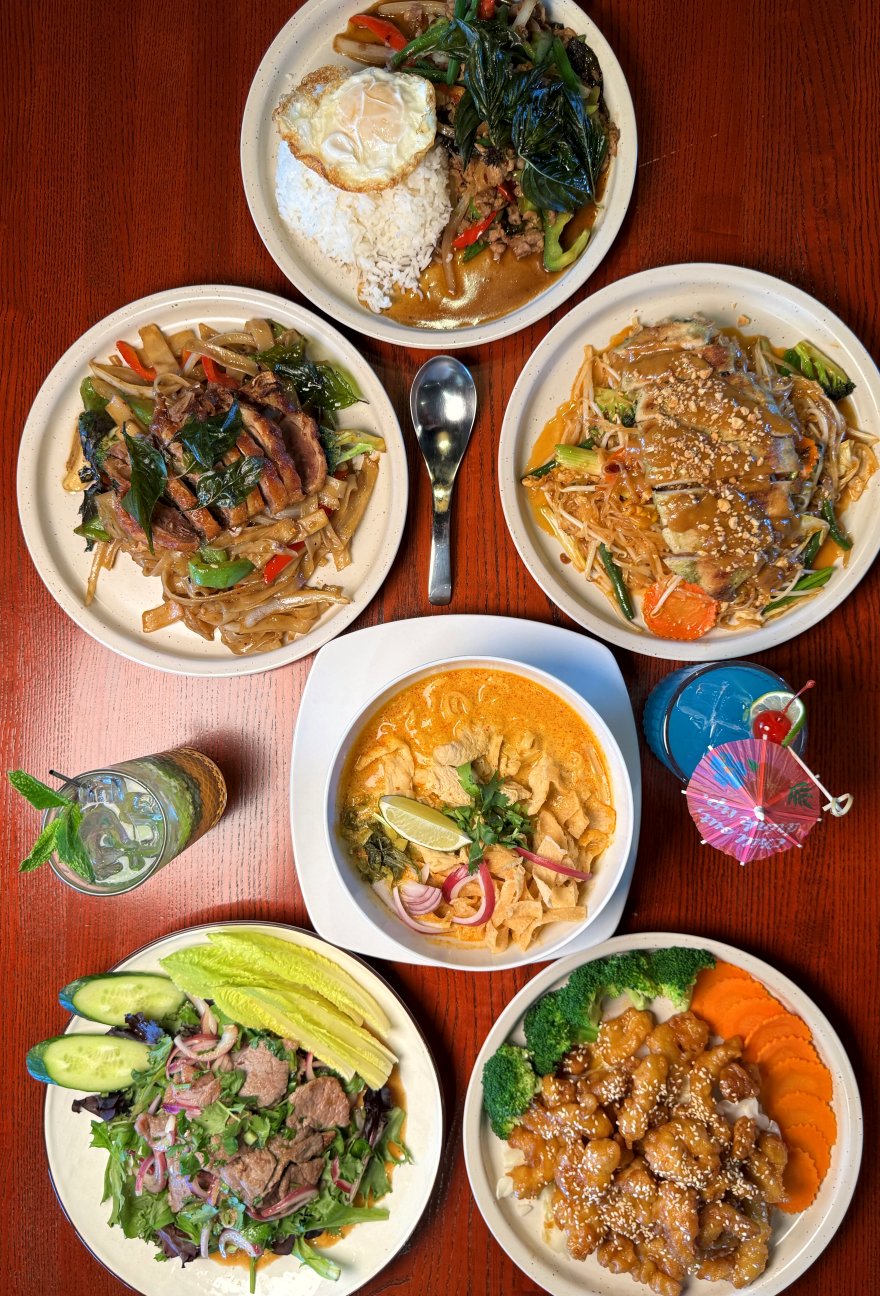
Drunken Noodles can absolutely fit into a healthy way of eating, but the answer depends on what lands in the wok, how much oil and sauce the cook uses, and how large the portion is. That may sound like a hedged response, yet it is the most honest one. I have seen plates of Drunken Noodles that were essentially a mountain of refined noodles slicked with oil and sodium-heavy sauce, with a few token basil leaves and barely any vegetables. I have also eaten versions that were balanced, satisfying, and surprisingly reasonable from a nutrition standpoint, especially when made at home or ordered with a few smart adjustments.
The dish itself is not automatically unhealthy. It is a stir-fry built around wide rice noodles, vegetables, protein, aromatics, basil, and a savory-spicy sauce. On paper, that can go in several directions. The challenge is that restaurant cooking often prioritizes intensity over restraint. More oil gives gloss and richness. More sauce boosts salt and sweetness. Larger noodle portions make the plate look generous. All of that tastes good. It also changes the nutrition profile quickly.
If you enjoy Drunken Noodles and want to eat them without feeling like you have blown up your day, it helps to understand where the calories, sodium, and nutrients actually come from. Once you do, the dish becomes much easier to navigate.
What Drunken Noodles really bring to the table
Drunken Noodles, often associated with Thai pad kee mao, are usually made with wide rice noodles, garlic, chilies, soy sauce or similar savory seasonings, vegetables, Thai basil, and a protein such as chicken, beef, tofu, or shrimp. Many versions include oyster sauce, fish sauce, and a touch of sugar. Some cooks add more vegetables than others. Some use a very hot wok and relatively modest oil. Others are less restrained.
From a nutrition perspective, the dish has a few strengths. It can provide protein, especially when made with chicken, shrimp, tofu, or lean beef. It often includes vegetables such as bell peppers, onions, broccoli, baby corn, or green beans. Basil and chilies add flavor without needing cream or cheese. Compared with heavy fried appetizers or rich curries made with coconut milk, Drunken Noodles can sometimes be the lighter choice.
At the same time, there are familiar pressure points. Rice noodles are refined carbohydrates, which means they are easy to overeat and do not offer much fiber on their own. The sauce can push sodium very high. The oil used in restaurant stir-frying can be substantial, even if the dish does not look greasy. And because the noodles are soft, savory, and easy to keep eating, portions can run far past hunger without much resistance.
That mix of strengths and weaknesses is why Drunken Noodles resist simple labels. They are not a health food, but they do not need to be treated like nutritional sabotage either.
The biggest factor is portion size
When people ask whether a restaurant dish is healthy, they often focus on ingredients first. Ingredients matter, but portion size usually matters more. A moderate serving of Drunken Noodles with plenty of vegetables and a sensible amount of protein is a different meal from the oversized takeout container many of us know too well.
A standard restaurant serving can easily contain enough noodles for two meals. Once that portion is coated in oil and sauce, the calorie total climbs quickly. Depending on the recipe and the restaurant, a full order can land in a broad range, often somewhere around 700 to well over 1,000 calories. That does not mean the dish is bad. It means the restaurant version often assumes sharing, leftovers, or a larger appetite than most desk-bound adults actually need at lunch.
This is one of those meals where the body’s fullness signals can lag behind intake. The food goes down fast. It is soft, salty, and stimulating, especially if it is spicy. I have watched plenty of otherwise careful eaters finish a large box of noodles because it did not feel especially heavy while they were eating it. Twenty minutes later, the story changes.
If you split the portion in half and add a side of steamed vegetables or a broth-based soup, the same dish suddenly looks much more balanced.
Carbohydrates are not the enemy, but they shape the meal
The noodles are the centerpiece, so any honest discussion of health has to start there. Wide rice noodles are primarily a source of carbohydrates. They give the dish its chew, body, and comfort factor. They also digest relatively quickly compared with higher-fiber grains or legume-based foods.
That does not make them a problem in themselves. Carbohydrates are useful, especially if you are active, if the meal follows exercise, or if you simply enjoy a noodle dish and want to build it into an overall balanced diet. The issue is context. A plate built almost entirely around refined noodles, with modest protein and a small amount of vegetables, may leave you satisfied in the moment but hungry again not long after. That pattern can be frustrating for people trying to manage appetite, blood sugar, or calorie intake.
What helps is pairing the noodles with enough protein and fiber to slow the meal down metabolically Find more info and psychologically. A version with chicken or tofu and a real volume of vegetables tends to feel steadier than one that is mostly noodles and sauce.
Sauce and oil are where the numbers jump
People tend to underestimate stir-fry because it looks lighter than creamy pasta or battered fried food. That can be misleading. The calorie density of Drunken Noodles often comes less from the noodles themselves and more from what coats them.
Oil carries flavor beautifully and helps create that characteristic sheen. In a restaurant kitchen, it is easy for a cook to use several tablespoons across a single portion, especially in a high-heat stir-fry. That alone can add a few hundred calories before the sauces even enter the pan. Then come soy-based seasonings, oyster sauce, fish sauce, and often sugar. The result is a dish with intense flavor, but also one that can be quite high in sodium. For anyone with high blood pressure, fluid retention, or general sensitivity to salty restaurant food, this matters.
A common experience after eating Drunken Noodles out is waking up thirsty in the middle of the night. That is not your imagination. It is often a sign that the dish delivered a lot more sodium than your body handles comfortably.
At home, this is much easier to manage. A cook can use a lighter hand with oil, rely on aromatics for flavor, and build a sauce that tastes lively without becoming a salt bomb. That one change alone can turn Drunken Noodles from an occasional indulgence into a perfectly reasonable weeknight dinner.
Protein can make or break the meal
Protein does a lot of quiet work in a dish like this. It adds satiety, rounds out the nutrition profile, and helps prevent the meal from becoming all noodles. The best choice depends on your goals.
Chicken breast, shrimp, and tofu are usually the most straightforward options if you want a leaner plate. Chicken thigh can still fit, though it brings a bit more fat and richness. Beef is satisfying and flavorful, but fattier cuts raise the calorie load. Crispy fried tofu is delicious, but not nutritionally equivalent to lightly sautéed tofu.
There is also the matter of quantity. Some takeout orders include a decent amount of protein, while others are sparse. A dish advertised as chicken Drunken Noodles might contain just a few ounces of meat scattered through a large bed of noodles. That can leave the meal less filling than expected.
One practical standard I like is to think in terms of visible balance. If you can clearly see a meaningful amount of protein and vegetables throughout the dish, not just on top, you are in better territory. If the plate reads as noodles first, noodles second, and everything else as garnish, it is less likely to support fullness or nutritional balance.
Vegetables are more than decoration
This is where many versions fall short. Good Drunken Noodles should have enough vegetables to contribute texture, sweetness, and contrast. Crisp bell peppers, onions, broccoli, green beans, mushrooms, or bok choy can transform the dish. Nutritionally, they add fiber, vitamins, minerals, and water content, all of which make the meal more satisfying without dramatically increasing calories.
In home cooking, vegetables are the easiest lever to pull. Doubling the vegetables barely hurts the dish, and in many cases improves it. In restaurants, asking for extra vegetables is one of the smartest modifications you can make. It changes the ratio of the plate, stretches the sauce across more food, and slows down how fast you eat.
That said, there is a practical limit. If a kitchen responds by dumping in watery vegetables without adjusting heat or seasoning, the dish can turn soggy. The best versions keep the vegetables vivid and slightly crisp. Healthier should not mean limp.
Restaurant Drunken Noodles versus homemade
This is where the gap becomes obvious. Restaurant food is designed to impress quickly. Homemade food is easier to tailor.
A typical restaurant version often uses more oil, more sodium, and a larger noodle portion than most people would use at home. The upside is bold flavor and that smoky, high-heat finish that is hard to reproduce without a serious burner. The downside is that you give up control over the details that determine whether the dish feels balanced or excessive.
At home, you can adjust almost everything. You can scale down the noodles, use a generous amount of vegetables, choose a lean protein, and keep the sauce assertive without making it overpowering. You can even use half the noodles you think you need and be surprised that the meal still feels abundant once the vegetables and protein are in the pan.
If someone asks me whether Drunken Noodles can be healthy, my shortest honest answer is this: homemade, yes, very often. Restaurant-style, sometimes, but you need to pay attention.
When Drunken Noodles fit well into a healthy diet
Healthy eating is about patterns, not purity. One noodle dish does not define your health any more than one salad does. Drunken Noodles fit best when the rest of your day, and your week, have some nutritional structure.
If breakfast and lunch were light on vegetables and protein, and dinner is a huge plate of noodles plus appetizers and drinks, the overall picture starts to tilt. If, on the other hand, Drunken Noodles are one satisfying meal in a week that also includes fruit, vegetables, legumes, whole grains, and adequate protein, there is no nutritional crisis to solve.
Activity level matters too. A very active person can absorb a carbohydrate-heavy dinner differently from someone who has been sedentary all day. Health goals matter as well. Someone training hard may welcome the energy. Someone trying to reduce sodium or lose weight may need a lighter hand.
This is why blanket rules fail. Context matters more than the internet likes to admit.
Smart ways to order without ruining the experience
You do not need to turn a restaurant order into a joyless custom project. A couple of changes usually do the job. The trick is to protect what makes the dish worth ordering in the first place: heat, basil, savory depth, and that slippery-chewy noodle texture.
Here are the few adjustments that give the biggest return:
- Ask for extra vegetables.
- Choose a lean protein such as chicken, shrimp, or tofu.
- Request light sauce, or sauce on the side if the restaurant can accommodate it.
- Split the entrée, or plan on saving half before you start eating.
- Skip a heavy appetizer if the noodle portion is already large.
That is enough. You do not need to ask for every sauce removed or the oil reduced to a whisper. If you push too far, you may end up with a disappointing plate that solves one problem by creating another.
What a healthier homemade version looks like
The home-cooked path is more forgiving than many people realize. You do not need a perfect restaurant replica to make a delicious pan of Drunken Noodles. In fact, some of the best home versions lean into freshness rather than trying to imitate takeout.
A healthier version usually starts with fewer noodles than expected, plenty of vegetables, and a moderate amount of protein. The sauce should taste punchy before it hits the pan, because once it coats the noodles and vegetables, the intensity spreads out. Thai basil matters. Fresh chilies or chili paste matter. Garlic matters. Those ingredients do real flavor work, which means you can rely less on excess oil or sugar.
One approach I like uses enough noodles for about half the volume of the finished dish, then builds the rest with broccoli, red bell pepper, onion, and tofu or chicken. A tablespoon or two of oil for the whole pan is often sufficient if the pan is hot enough and the ingredients are not crowded. The result still tastes like Drunken Noodles. It just leaves you feeling fed rather than flattened.
If you want the meal to be especially balanced, pair it with something crisp and simple, such as sliced cucumber with lime or a light salad. That fresh contrast makes the noodles feel richer and more complete, and it often prevents the urge for a second oversized serving.
Common health concerns, and where they are valid
Some people worry mainly about calories. Others care more about sodium, blood sugar, or digestive comfort. Drunken Noodles touch all of these concerns in different ways.
For calorie control, the biggest issue is restaurant portion size and oil use. For sodium, the sauces are the obvious culprit. For blood sugar management, the refined rice noodles and relatively low fiber can be a consideration, especially if the plate is dominated by noodles and lacks protein or vegetables. For digestion, spicy food plus a heavy restaurant stir-fry can be rough on some stomachs, particularly late at night.
None of those points require banishing the dish. They simply suggest that Drunken Noodles work better with thoughtful frequency and format. Someone with hypertension may enjoy them occasionally but avoid the saltiest takeout versions. Someone watching blood sugar may prioritize extra protein and vegetables and keep the noodle portion moderate. Someone with a sensitive stomach may ask for less heat and avoid eating a giant serving just before bed.
This is ordinary nutritional judgment, not restriction for its own sake.
There is also a difference between healthy and healthful enough
This distinction matters. People often ask whether a dish is healthy as if there were only two categories: approved and forbidden. Real meals do not work that way. A food can be imperfect and still fit well into a healthy life.
Drunken Noodles may not be the most nutrient-dense option on a Thai menu if you compare them with a broth-based soup loaded with vegetables and lean protein. They are also generally a better choice than a deep-fried entrée with a sugary glaze. Most food lives in this middle ground.
That middle ground is where practical eating happens. Meals should nourish you, but they should also satisfy you. If a bowl of Drunken Noodles keeps you full, tastes great, and fits your needs better than picking at a salad and then raiding the pantry later, that matters. Healthy eating that ignores satisfaction tends not to last.
So, can Drunken Noodles be healthy?
Yes, especially when the dish is balanced with protein and vegetables, kept to a sensible portion, and not drowned in oil and sauce. The most reliable version is homemade, where you control the ratio of noodles to everything else. Restaurant Drunken Noodles can still work, but they require a little strategy because the default serving is often larger, saltier, and richer than many people realize.
If you remember only one thing, make it this: Drunken Noodles are healthiest when they stop being just a noodle delivery system and become a true stir-fry. Once vegetables and protein have equal footing with the noodles, the dish changes character. It becomes less of a calorie trap and more of a satisfying, flavorful meal.
That is usually the difference between eating Drunken Noodles and enjoying them well.